

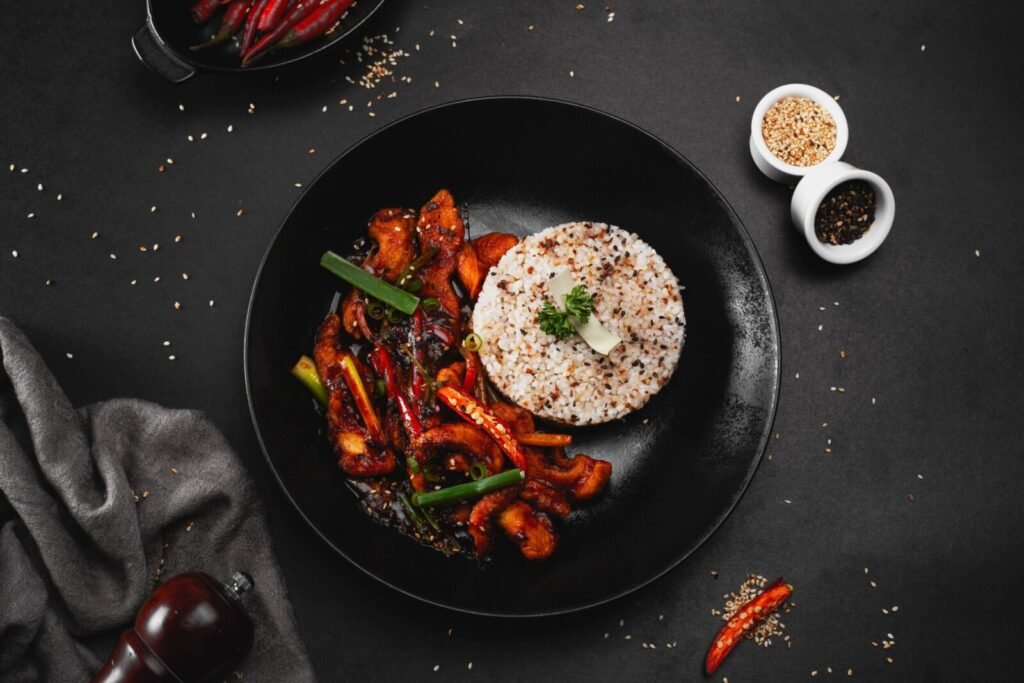
Kung Pao chicken is one of those dishes that has become so popular outside of China that many people have only ever tasted a westernized, overly sweet version of it, far removed from the bold, complex flavors of the original. Authentic Kung Pao chicken, or “Gong Bao Ji Ding” as it’s known in Sichuan cuisine, is a dish built on a very specific balance of flavors: numbing heat from Sichuan peppercorns, sharp spiciness from dried chilies, a savory-sweet sauce, and a satisfying crunch from roasted peanuts, all tossed together with tender, velvety pieces of chicken.
This dish originates from Sichuan province, one of China’s most celebrated culinary regions, known for its bold use of chili and the distinctive tingling sensation created by Sichuan peppercorns, often described as “ma la,” meaning numbing and spicy. Understanding this flavor profile — and how to achieve it at home — is the key to making a Kung Pao chicken that tastes like it came from an authentic Sichuan restaurant rather than a generic sweet-and-spicy stir-fry.
In this article, we’ll cover everything you need to know to make truly excellent Kung Pao chicken at home: the essential ingredients that define its authentic flavor, the technique of velveting chicken for maximum tenderness, a detailed step-by-step method, tips for balancing the sauce correctly, common mistakes to avoid, and creative variations to explore.
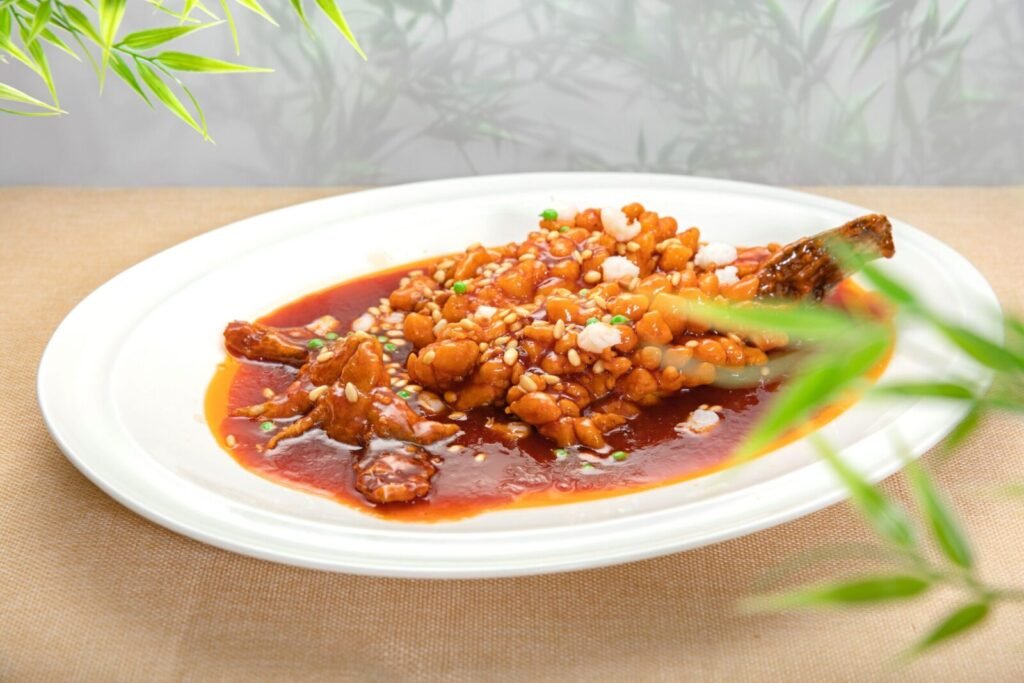
What Makes Kung Pao Chicken Authentic?
Many westernized versions of Kung Pao chicken lean heavily into sweetness, sometimes resembling a sticky, ketchup-based stir-fry rather than the dish’s Sichuan origins. Authentic Kung Pao chicken, by contrast, is defined by a few key characteristics that set it apart.
First, there’s the use of dried red chilies, which are fried in oil at the start of cooking to infuse the entire dish with a deep, smoky heat. Second, Sichuan peppercorns provide that signature numbing sensation on the tongue, a completely unique quality that’s central to authentic Sichuan cooking and not something you’ll find in most other spicy dishes. Third, the sauce itself relies on a balance of savory, salty, slightly sweet, and tangy elements — usually achieved through a combination of soy sauce, Chinkiang black vinegar, sugar, and Shaoxing wine — rather than being dominated by sugar or ketchup-based sauces.
Finally, the chicken itself is typically velveted, a Chinese cooking technique that involves marinating the meat in a mixture containing egg white, cornstarch, and sometimes a small amount of oil, which creates a silky, tender texture that stays juicy even after high-heat stir-frying.
What You’ll Need
This recipe serves about 4 people as part of a larger meal, or 2 to 3 as a standalone main dish.
For the Chicken and Marinade:
- 1.5 lbs (about 700g) boneless, skinless chicken thighs, cut into 1-inch cubes
- 1 egg white
- 1 tablespoon cornstarch
- 1 tablespoon Shaoxing wine (or dry sherry as a substitute)
- 1/2 teaspoon salt
- 1/2 teaspoon white pepper
For the Sauce:
- 2 tablespoons soy sauce
- 1 tablespoon dark soy sauce (for color and depth)
- 1 tablespoon Chinkiang black vinegar (or balsamic vinegar as a substitute)
- 1 tablespoon sugar
- 1 tablespoon Shaoxing wine
- 1 teaspoon cornstarch
- 2 tablespoons water or chicken stock
For Stir-Frying:
- 3 tablespoons vegetable oil, divided
- 8 to 10 dried red chilies, stems removed, roughly torn or left whole
- 1 tablespoon Sichuan peppercorns
- 4 cloves garlic, minced
- 1 tablespoon fresh ginger, minced
- 3 to 4 green onions (scallions), white parts and green parts separated, cut into 1-inch pieces
- 1/2 cup roasted, unsalted peanuts
- 1 small red bell pepper, diced (optional, for color and crunch)
Understanding the Velveting Technique
Velveting is a technique widely used in Chinese cooking to give meat, particularly chicken, a remarkably tender, silky texture even after being cooked quickly over high heat. The process involves coating the meat in a mixture of egg white, cornstarch, and sometimes a small amount of oil or wine, which forms a thin protective layer around each piece.
This coating does two important things during cooking. First, it seals in moisture, preventing the chicken from drying out during the intense heat of stir-frying. Second, the cornstarch creates a very slight, silky texture on the surface of the chicken, which also helps the sauce cling to each piece more effectively once combined.
This technique is worth mastering not just for Kung Pao chicken, but for stir-fries in general, since it consistently produces noticeably better texture than simply tossing raw, unmarinated chicken directly into a hot wok.
Step-by-Step Instructions
Step 1: Marinate and Velvet the Chicken
In a medium bowl, combine the cubed chicken with the egg white, cornstarch, Shaoxing wine, salt, and white pepper. Mix thoroughly with your hands or a spoon until every piece of chicken is evenly coated in the slightly sticky marinade. Let this sit for at least 15 to 20 minutes at room temperature, or up to an hour in the refrigerator for best results.
Step 2: Prepare the Sauce
In a small bowl, whisk together the soy sauce, dark soy sauce, black vinegar, sugar, Shaoxing wine, cornstarch, and water or chicken stock until smooth. Set this sauce aside; having it fully prepared before you start cooking is essential, since stir-frying moves quickly and you won’t have time to measure ingredients once the wok is hot.
Step 3: Pre-Fry the Chicken
Heat 2 tablespoons of oil in a wok or large skillet over medium-high heat until shimmering. Add the marinated chicken in a single layer, being careful not to overcrowd the pan — work in batches if needed. Let the chicken sear for about 1 minute without stirring to develop some color, then stir-fry for another 2 to 3 minutes, until the chicken is mostly cooked through and lightly golden on the edges. Remove the chicken from the wok and set aside; it doesn’t need to be fully cooked at this stage, since it will finish cooking when combined with the sauce later.
Step 4: Fry the Chilies and Peppercorns
Add the remaining 1 tablespoon of oil to the same wok over medium heat. Add the dried red chilies and Sichuan peppercorns, stirring constantly for about 30 to 45 seconds. This step is crucial for infusing the oil with their flavor, but be careful not to let them burn, as burnt chilies and peppercorns will turn bitter and ruin the dish’s flavor.
Step 5: Add Aromatics
Add the minced garlic, ginger, and the white parts of the green onions to the wok. Stir-fry for about 20 to 30 seconds, just until fragrant, being careful not to let the garlic burn.
Step 6: Add Vegetables (If Using)
If you’re including diced bell pepper, add it now and stir-fry for about 1 minute to soften it slightly while retaining some crunch.
Step 7: Combine Chicken and Sauce
Return the pre-fried chicken to the wok. Give the prepared sauce a quick stir (since the cornstarch tends to settle), then pour it into the wok. Stir-fry everything together for about 1 to 2 minutes, until the sauce thickens slightly and evenly coats the chicken and vegetables.
Step 8: Add Peanuts and Green Onion Tops
Add the roasted peanuts and the green parts of the green onions. Toss everything together for another 30 seconds, just enough to combine without letting the peanuts lose their crunch from prolonged cooking.
Step 9: Serve Immediately
Transfer the Kung Pao chicken to a serving plate and serve immediately while hot, ideally alongside steamed white rice to help balance the dish’s bold, spicy flavors.
Tips for the Best Kung Pao Chicken
Don’t skip the velveting step. This is what separates restaurant-quality Kung Pao chicken from a basic stir-fry, giving the chicken its signature tender, silky texture.
Toast the chilies and peppercorns carefully. This step infuses the entire dish with authentic Sichuan flavor, but burning them, even slightly, will introduce unwanted bitterness.
Add peanuts at the very end. This keeps them crunchy rather than letting them soften and lose their texture from prolonged cooking in the sauce.
Use dark soy sauce for color. It’s less salty than regular soy sauce but adds a rich, deep color that gives the dish its classic glossy appearance.
Prep everything before you start cooking. Stir-frying happens quickly over high heat, so having all your ingredients measured, chopped, and ready to go — a practice known as “mise en place” — makes the cooking process far smoother.
Common Mistakes to Avoid
- Skipping the velveting marinade. This results in tougher, less flavorful chicken that doesn’t hold the sauce as well.
- Burning the dried chilies or peppercorns. This introduces bitterness that can throw off the entire dish’s flavor balance.
- Overcooking the peanuts. Adding them too early causes them to soften and lose their signature crunch.
- Using too much sugar. Authentic Kung Pao chicken should be savory-forward with balanced sweetness, not a sugary, one-dimensional sauce.
- Overcrowding the wok. This lowers the cooking temperature and causes the chicken to steam rather than sear, resulting in a less flavorful, less textured final dish.
Creative Variations to Try
- Kung Pao Shrimp: Substitute shrimp for chicken, adjusting the cooking time down since shrimp cooks much faster.
- Vegetarian Kung Pao: Replace the chicken with firm tofu or a mix of mushrooms and vegetables for a plant-based version.
- Extra Numbing Kung Pao: Increase the amount of Sichuan peppercorns for those who love a more pronounced numbing sensation.
- Milder Kung Pao: Reduce the number of dried chilies and remove their seeds before frying to tone down the heat while keeping the smoky flavor.
- Cashew Kung Pao: Substitute roasted cashews for peanuts for a slightly different, buttery crunch.
Storage Tips
Leftover Kung Pao chicken can be stored in an airtight container in the refrigerator for up to 3 days. Reheat gently in a hot skillet or wok rather than a microwave when possible, since this helps maintain some of the original texture and prevents the sauce from becoming watery. Note that the peanuts will soften somewhat upon storage and reheating, so if you have extra roasted peanuts on hand, adding a fresh handful when reheating can help restore some crunch.
Final Thoughts
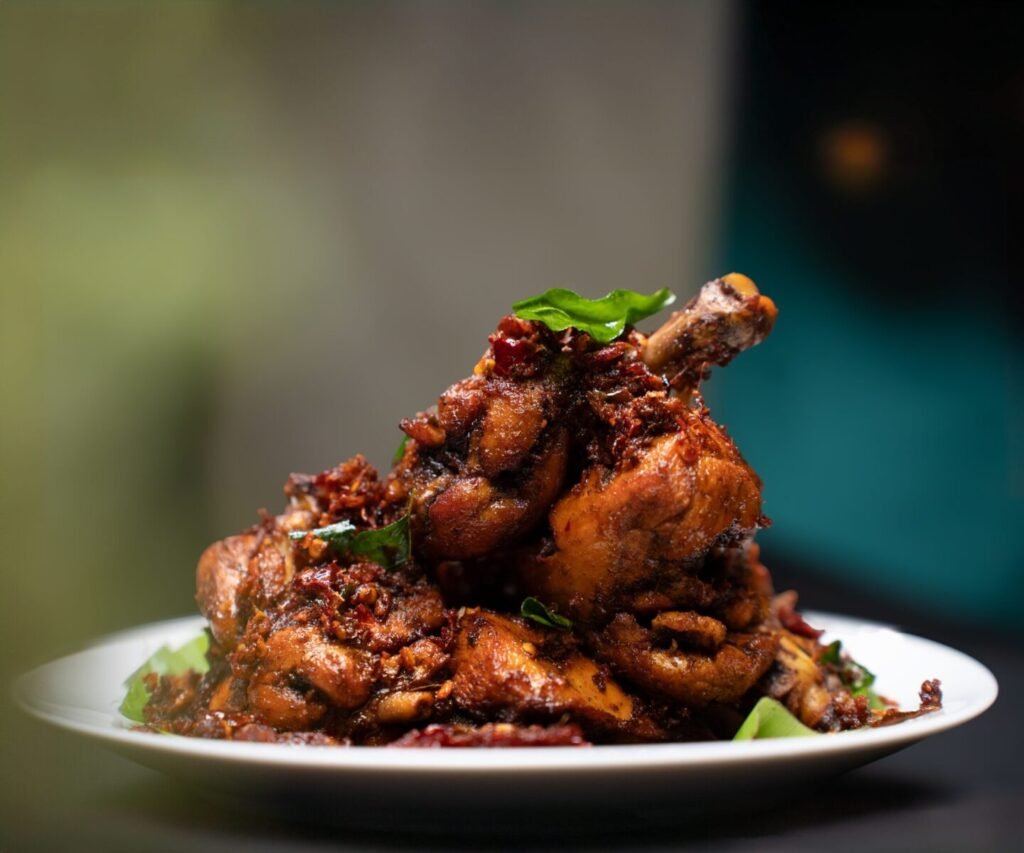
Kung Pao chicken is a wonderful example of how a handful of carefully balanced ingredients — savory soy sauce, tangy black vinegar, smoky dried chilies, and numbing Sichuan peppercorns — can come together to create a dish with genuinely complex, memorable flavor. Once you understand the velveting technique and how to properly infuse oil with chilies and peppercorns without burning them, you’ll find that making an authentic version of this beloved dish at home is well within reach.
Whether you’re recreating a favorite restaurant dish or discovering authentic Sichuan flavors for the first time, this Kung Pao chicken recipe gives you everything you need to bring that signature spicy, numbing, savory-sweet balance to your own kitchen.
So prep your ingredients, heat up that wok, and get ready to make a Kung Pao chicken that puts your local takeout spot to shame.
