
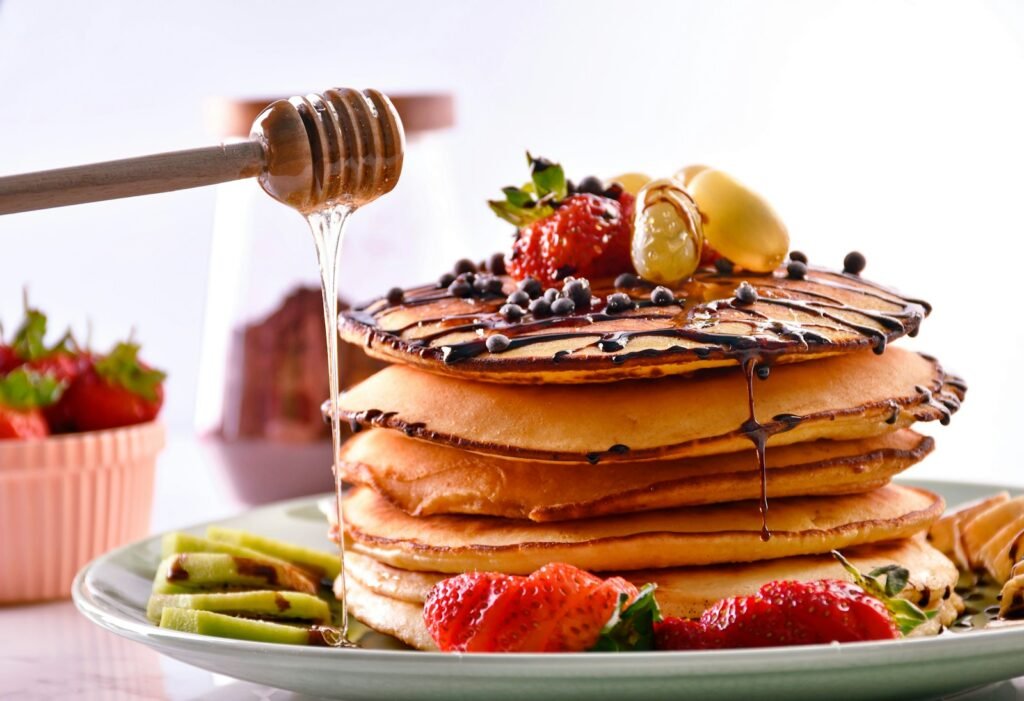
There are certain smells that instantly signal “weekend” — coffee brewing, bacon sizzling, and, most of all, pancakes hitting a hot griddle. There’s something almost nostalgic about a stack of warm, golden pancakes with butter melting into every crevice and syrup pooling around the edges of the plate. It’s the kind of breakfast that makes people wander into the kitchen still half-asleep, drawn by the smell alone.
I’ve spent years perfecting my pancake recipe, testing different ratios of flour to liquid, different mixing methods, and different resting times, all in pursuit of that perfect stack: fluffy on the inside, lightly golden on the outside, and never rubbery or flat. What I landed on is a simple, no-fuss recipe made entirely from pantry staples, and it consistently produces bakery-quality pancakes every single time.
If you’ve ever ended up with pancakes that were dense, gummy, or oddly flavorless, this recipe is going to change that. Let’s get into it.
Why This Recipe Works
Pancakes seem simple, but there’s actual science behind what makes one stack fluffy and another one flat and sad. Here’s what matters most:
- The right leavening ratio. Too little baking powder and your pancakes won’t rise; too much and they’ll taste bitter and rise unevenly, creating weird air pockets.
- Not overmixing the batter. This is the single biggest mistake people make. Overmixed batter develops gluten, which makes pancakes tough and chewy instead of soft and tender.
- Letting the batter rest. A short rest lets the flour fully hydrate and the baking powder start activating, which leads to a better rise and texture.
- Proper griddle temperature. Too hot and the outside burns before the inside cooks through; too cool and the pancakes turn out pale and dense.
Once you understand these basics, pancakes go from a hit-or-miss breakfast to something you can make perfectly on autopilot.
Ingredients You’ll Need
This recipe makes about 10 to 12 medium pancakes, enough for 3 to 4 people, though it scales up easily if you’re feeding a bigger crowd.
Dry ingredients:
- 2 cups all-purpose flour
- 2 tablespoons granulated sugar
- 1 tablespoon baking powder
- ½ teaspoon baking soda
- ½ teaspoon salt
Wet ingredients:
- 2 large eggs
- 1 ¾ cups buttermilk (or see substitute below)
- ¼ cup unsalted butter, melted and slightly cooled
- 1 teaspoon vanilla extract
For cooking:
- Extra butter or neutral oil, for greasing the pan
If you don’t have buttermilk on hand, don’t worry — you can make a quick substitute by adding 1 ½ tablespoons of white vinegar or lemon juice to 1 ¾ cups of regular milk. Let it sit for about 5 minutes until it curdles slightly, and it’ll work just as well, giving the pancakes that same subtle tang and tender crumb.
Step-by-Step Instructions
Step 1: Mix the Dry Ingredients
In a large mixing bowl, whisk together the flour, sugar, baking powder, baking soda, and salt. Whisking the dry ingredients thoroughly before adding any liquid helps distribute the leavening agents evenly, so your pancakes rise consistently across the whole batch rather than just in a few lucky spots.
Step 2: Whisk the Wet Ingredients
In a separate bowl, whisk the eggs until they’re smooth and slightly frothy. Add the buttermilk, melted butter, and vanilla extract, and whisk everything together until fully combined. Make sure the melted butter isn’t too hot when you add it, or it can start to cook the eggs on contact — lukewarm is exactly what you want.
Step 3: Combine Wet and Dry
Pour the wet ingredients into the bowl of dry ingredients. Using a spatula or whisk, stir just until everything comes together. This is the most important step in the entire recipe: stop mixing as soon as you no longer see streaks of dry flour. The batter should look a little lumpy, and that’s exactly right. A smooth, perfectly uniform batter usually means you’ve overmixed it, and that’s when pancakes turn out tough instead of tender.
Step 4: Let the Batter Rest
Let the batter sit for 5 to 10 minutes before cooking. This resting period allows the flour to fully absorb the liquid and gives the baking powder a head start, which results in a noticeably fluffier pancake. It’s a small step that’s easy to skip, but it makes a real difference in the final texture.
Step 5: Heat Your Pan or Griddle
Heat a non-stick griddle or skillet over medium heat. Add a small pat of butter or a light drizzle of oil, spreading it evenly across the surface. The pan is ready when a drop of water sizzles and dances across the surface rather than sitting still or evaporating instantly.
Step 6: Cook the Pancakes
Pour about ¼ cup of batter onto the griddle for each pancake, leaving space between them so they have room to spread slightly. Cook until bubbles start to form on the surface and the edges look set, which usually takes about 2 to 3 minutes. Flip carefully with a spatula and cook the other side for another 1 to 2 minutes, until golden brown.
Resist the urge to press down on the pancakes with your spatula — it might feel satisfying, but it presses out all that lovely air you worked so hard to create, leaving you with flatter, denser pancakes.
Step 7: Keep Them Warm
If you’re cooking a big batch, keep finished pancakes warm by placing them on a baking sheet in a 200°F (95°C) oven while you finish the rest. This way, the whole stack stays warm and you’re not stuck eating your pancakes one at a time while everyone else waits.
Serving Suggestions
Classic pancakes are practically a blank canvas, and there’s no wrong way to top them. Here are a few favorites:
- The classic: A pat of butter and a generous pour of warm maple syrup.
- Fruit-forward: Fresh berries, sliced bananas, or a warm compote made from simmered fruit and a touch of sugar.
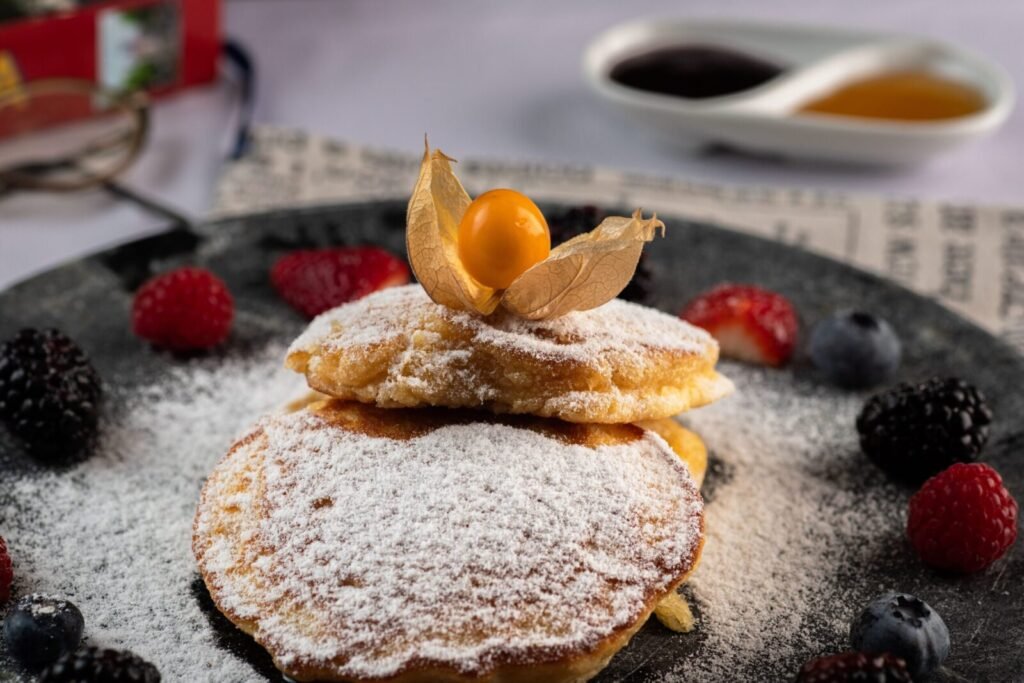
- Something indulgent: A dusting of powdered sugar, a drizzle of chocolate sauce, or a dollop of whipped cream.
- Savory twist: A fried egg and crispy bacon on the side for a sweet-and-savory breakfast plate.
Tips for Pancake Perfection
Here are the lessons that made the biggest difference in my own pancake-making over the years:
- Don’t skip the resting time. Even five minutes makes a noticeable difference in fluffiness.
- Keep the heat at medium, not high. High heat browns the outside too quickly, leaving the inside undercooked and gummy.
- Only flip once. Flipping multiple times releases steam and deflates the batter, leading to flatter pancakes.
- Wipe the pan between batches. Excess butter or oil can burn and leave dark, bitter specks on your pancakes. A quick wipe with a paper towel between batches keeps things clean and evenly golden.
- Measure flour correctly. Scoop your flour into the measuring cup with a spoon and level it off, rather than scooping directly from the bag, which can pack in too much flour and lead to dry, dense pancakes.
Storage and Reheating
Pancakes are wonderfully make-ahead friendly. Let leftovers cool completely, then store them in an airtight container in the fridge for up to 3 days. For longer storage, place a piece of parchment paper between each pancake and freeze them in a freezer bag for up to 2 months.
To reheat, pop them in the toaster for a couple of minutes for crisp edges and a warm center, or microwave them for about 20 to 30 seconds if you prefer them soft. Either way, they taste nearly as good as the day you made them.
Fun Variations to Try
Once you’ve got the base recipe down, it’s easy to switch things up:
- Blueberry pancakes: Fold fresh or frozen blueberries into the batter right before cooking.
- Chocolate chip pancakes: Add ½ cup of chocolate chips to the batter for a treat that feels a little more like dessert.
- Banana pancakes: Mash one ripe banana into the wet ingredients for natural sweetness and a soft, moist texture.
- Cinnamon spice pancakes: Add 1 teaspoon of cinnamon and a pinch of nutmeg to the dry ingredients for a cozy, warmly spiced version perfect for cooler mornings.
- Whole wheat pancakes: Substitute half the all-purpose flour with whole wheat flour for a heartier, slightly nutty flavor.
Final Thoughts
Good pancakes don’t require anything fancy — just a handful of pantry staples, a little patience, and the confidence to stop stirring before the batter looks perfectly smooth. This recipe has earned its permanent spot in my breakfast rotation because it’s simple, reliable, and endlessly adaptable to whatever mood or craving strikes.
Whether you’re making a slow weekend breakfast for the whole family or just treating yourself to something warm and comforting on a random Tuesday, I hope this recipe becomes a regular in your kitchen too.
Happy flipping, and enjoy every fluffy bite.