
Macaroni is one of those foods that manages to feel both nostalgic and endlessly versatile at the same time. For many of us, it takes us straight back to childhood dinners, but it’s also a dish that has evolved into countless variations across cuisines — from the classic American baked macaroni and cheese to spicy South Asian-style macaroni to simple buttered macaroni tossed with herbs. Its small, ridged, tube-like shape is perfect for holding onto sauces, making it one of the most satisfying pasta shapes to cook with.
In this article, we’ll cover everything you need to know about making the perfect macaroni pasta dish at home: choosing the right macaroni, the science of cooking pasta correctly, a detailed step-by-step recipe for a rich and creamy macaroni, tips for getting the best texture and flavor, common mistakes to avoid, and a range of creative variations so you can make this dish your own.
What Is Macaroni, Exactly?
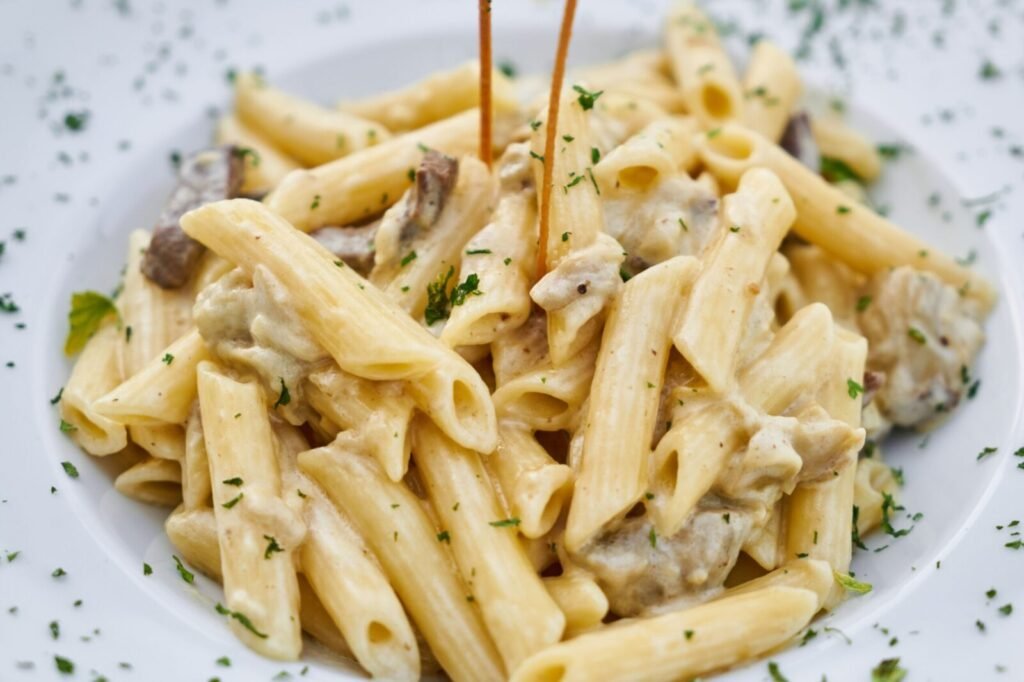
Macaroni refers to a specific type of pasta shaped into small, curved tubes, usually with ridges on the outside. The word comes from Italian cuisine, though the dish most people associate with “macaroni” today — macaroni and cheese — is more strongly linked to American comfort food culture. Macaroni’s tubular shape makes it ideal for capturing thick, creamy sauces inside and around each piece, which is part of why it pairs so well with cheese sauces, tomato-based sauces, and creamy gravies alike.
Because macaroni is a relatively neutral, mild pasta, it works as a blank canvas. It can be the star of a rich, cheesy baked dish, or a simple supporting player in a light, herby, olive oil-based pasta salad.
What You’ll Need
This recipe makes a rich and creamy classic macaroni pasta that serves about 4 people. We’ll build this as a stovetop cheese-sauce style macaroni, with notes on how to turn it into a baked version as well.
For the Pasta:
- 2 cups (about 250g) elbow macaroni
- Water for boiling
- 1 tablespoon salt (for the pasta water)
For the Sauce:
- 3 tablespoons unsalted butter
- 3 tablespoons all-purpose flour
- 2 cups whole milk, warmed
- 1 cup shredded cheddar cheese
- 1/2 cup shredded mozzarella cheese (optional, for stretch and creaminess)
- 1/2 teaspoon garlic powder
- 1/2 teaspoon onion powder
- 1/4 teaspoon smoked paprika (optional, for depth)
- Salt and black pepper, to taste
- A pinch of nutmeg (optional, but classic in cream sauces)
Optional Add-Ins:
- 1/2 cup cooked, diced chicken or crispy bacon bits
- 1 cup steamed broccoli or peas
- Fresh parsley, chopped, for garnish
The Importance of Cooking Pasta Correctly
Before diving into the recipe itself, it’s worth understanding why proper pasta cooking technique matters so much, since even a great sauce can be ruined by poorly cooked macaroni.
Salting the water generously is the single most important step most home cooks skip or underdo. Pasta water should taste noticeably salty, almost like seawater. This is your only opportunity to season the pasta itself from the inside out, since sauce alone can’t fully compensate for bland pasta.
Cooking to al dente means cooking the pasta until it’s tender but still has a slight firmness at the center when bitten. This matters even more if you plan to bake the macaroni afterward, since it will continue to cook in the oven. Overcooked macaroni turns mushy and loses its structure once mixed with sauce.
Reserving pasta water before draining is a trick used by professional cooks. The starchy water left over from boiling pasta can be used to loosen a sauce that’s too thick, while also helping the sauce cling better to the pasta thanks to its starch content.
Step-by-Step Instructions
Step 1: Boil the Macaroni
Bring a large pot of water to a rolling boil. Add the tablespoon of salt once the water is boiling. Add the macaroni and stir immediately to prevent sticking. Cook according to the package instructions, usually 7 to 9 minutes, until al dente.
Before draining, scoop out and reserve about 1 cup of the starchy pasta water. Drain the macaroni in a colander and set it aside.
Step 2: Make the Roux
In a large saucepan or deep skillet, melt the butter over medium heat. Once melted, whisk in the flour and cook for about 1 to 2 minutes, stirring constantly. This mixture, called a roux, is the base that will thicken your sauce. Cooking it briefly removes the raw flour taste while keeping the color pale.
Step 3: Add the Milk Gradually
Slowly pour in the warmed milk while whisking continuously. Adding the milk gradually and whisking constantly prevents lumps from forming. Continue whisking until the mixture is smooth, then let it simmer gently for 3 to 5 minutes, stirring frequently, until it thickens enough to coat the back of a spoon.
Step 4: Season the Sauce
Stir in the garlic powder, onion powder, smoked paprika, a pinch of nutmeg, salt, and black pepper. Taste and adjust the seasoning as needed. Remember that the cheese you’re about to add will also contribute saltiness, so season the base sauce slightly on the lighter side at this stage.
Step 5: Melt in the Cheese
Reduce the heat to low. Add the shredded cheddar and mozzarella cheese in small handfuls, stirring well after each addition until fully melted before adding more. Adding cheese gradually over low heat prevents the sauce from becoming grainy or oily, which can happen if cheese is added too quickly over high heat.
Step 6: Combine with the Macaroni
Add the drained macaroni directly into the cheese sauce and stir until every piece is evenly coated. If the sauce feels too thick, add a splash of the reserved pasta water, a tablespoon at a time, until you reach your desired consistency.
Step 7: Add Optional Mix-Ins
If you’re using any add-ins like cooked chicken, crispy bacon, or steamed vegetables, fold them in at this stage so they’re evenly distributed throughout the dish.
Step 8: Serve or Bake
At this point, you have a creamy stovetop macaroni and cheese that’s ready to serve immediately, garnished with a sprinkle of fresh parsley and an extra crack of black pepper.
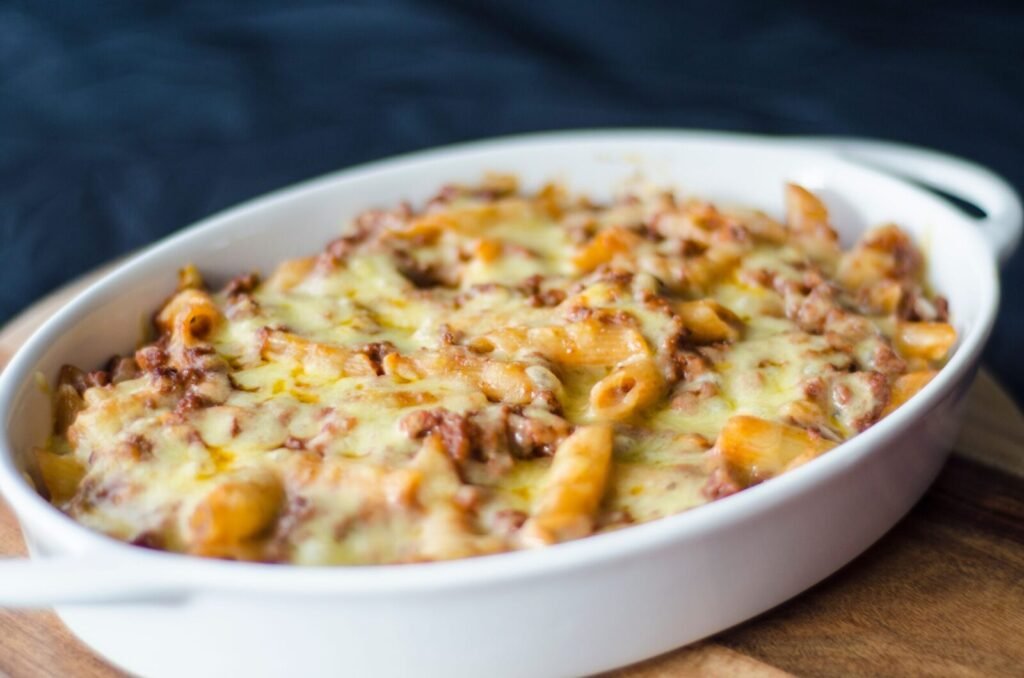
If you’d prefer a baked version, transfer the macaroni mixture into a greased baking dish, top with an additional layer of shredded cheese and, if desired, a light sprinkle of breadcrumbs mixed with melted butter for a crispy topping. Bake at 375°F (190°C) for 15 to 20 minutes, until bubbling and golden on top.
Tips for the Best Macaroni Pasta
Grate your own cheese. Pre-shredded cheese is coated with anti-caking agents that can prevent it from melting smoothly into the sauce. Freshly grated cheese from a block melts far more evenly and produces a silkier sauce.
Warm your milk before adding it. Adding cold milk to a hot roux can cause the mixture to seize or take longer to thicken evenly. Warming the milk slightly beforehand helps everything come together more smoothly.
Don’t rush the cheese. Adding cheese too quickly or over too-high heat is the most common reason cheese sauces turn grainy or separate. Low and slow is the rule here.
Balance your cheeses. Cheddar provides sharp, classic flavor, while mozzarella adds stretch and creaminess. A combination of the two usually produces the best texture and taste.
Season in layers. Season the pasta water, season the sauce base, and taste again after adding the cheese. Building flavor in layers throughout the process results in a much more balanced final dish than seasoning only at the end.
Common Mistakes to Avoid
- Under-salting the pasta water. This is the most overlooked step and leads to bland macaroni no matter how good the sauce is.
- Overcooking the pasta. Especially important if baking afterward, since the pasta will continue to soften in the oven.
- Adding cold milk too quickly to the roux. This can create lumps that are difficult to smooth out later.
- Using pre-shredded cheese. While convenient, it often results in a less smooth, slightly grainy sauce.
- Skipping the reserved pasta water. This starchy water is a simple, effective tool for adjusting sauce consistency without diluting flavor the way plain water would.
Creative Variations to Try
Once you’ve mastered the classic creamy macaroni, here are some ways to change things up:
- Spicy Macaroni: Add a diced jalapeño or a teaspoon of red chili flakes to the sauce for a spicy kick, popular in many South Asian-style macaroni dishes.
- Tomato Macaroni: Stir in half a cup of tomato sauce or crushed tomatoes along with the cheese for a tangy, tomato-cheese hybrid sauce.
- Three-Cheese Macaroni: Add a third cheese, such as gruyère or parmesan, for extra depth and complexity.
- Buffalo Chicken Macaroni: Toss in shredded cooked chicken mixed with buffalo sauce for a spicy, tangy twist.
- Vegetable-Loaded Macaroni: Mix in steamed broccoli, peas, corn, and diced bell peppers for a more balanced, veggie-forward meal.
- Smoky Bacon Macaroni: Fold in crispy bacon bits and a touch of extra smoked paprika for a deeply smoky, savory version.
Storage and Reheating Tips
Leftover macaroni pasta can be stored in an airtight container in the refrigerator for up to 4 days. Because cheese sauces tend to thicken significantly once chilled, reheating gently is key. Warm it on the stovetop over low heat, stirring in a splash of milk to loosen the sauce back to its original creamy consistency. Microwaving works too, but do it in short bursts, stirring in between, and add a little milk before reheating to prevent the sauce from drying out or separating.
Macaroni pasta can also be frozen, though the texture of the sauce may change slightly upon thawing. If freezing, slightly undercook the pasta initially so it doesn’t turn mushy once reheated.
Final Thoughts
Macaroni pasta proves that comfort food doesn’t need to be complicated to be deeply satisfying. With just a handful of pantry staples — macaroni, butter, flour, milk, and cheese — you can create a dish that’s rich, creamy, and endlessly adaptable to whatever flavors you’re craving.
Whether you keep it classic and simple, spice it up, load it with vegetables, or turn it into a baked, golden-topped casserole, this macaroni recipe gives you a reliable foundation to build on. Once you understand the basics of a good roux, proper pasta cooking, and how to melt cheese the right way, you’ll be able to whip up a comforting bowl of macaroni any night of the week.
So grab your pot, boil that water generously salted, and get ready to make a batch of macaroni pasta that might just become a new household favorite.