
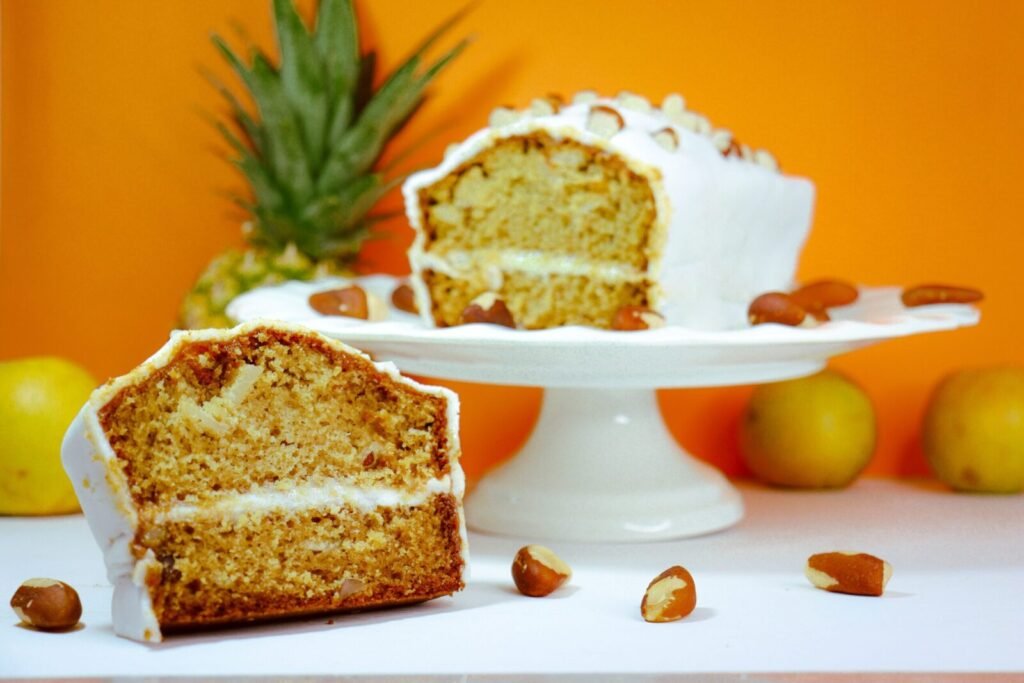
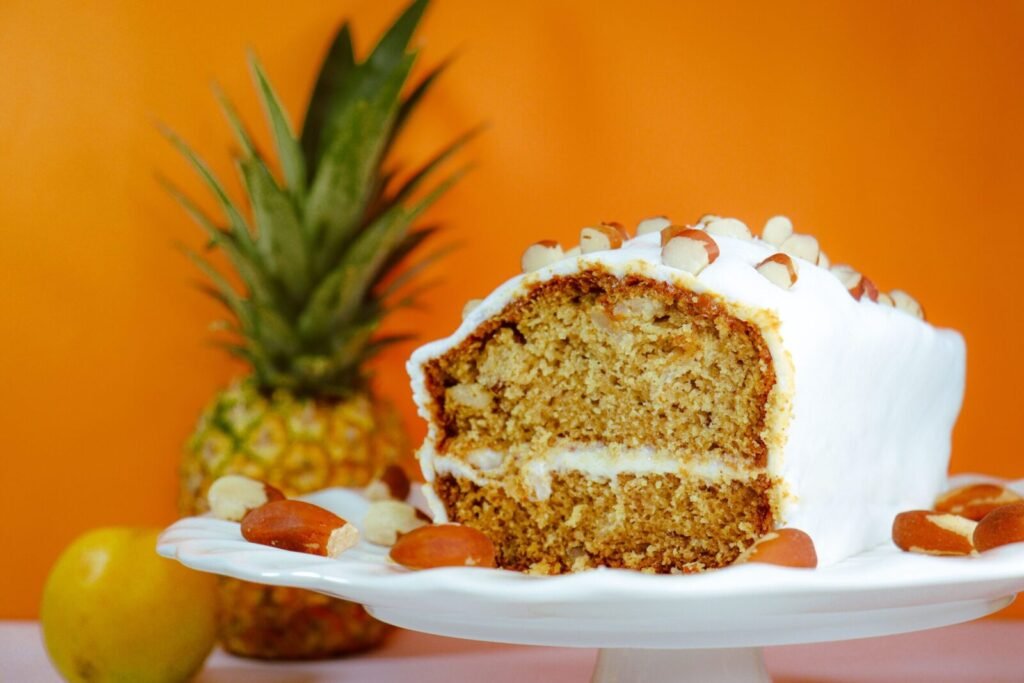
Pineapple cake holds a special place in the world of desserts. It’s light, fragrant, and carries a natural sweetness that feels indulgent without being overly rich. Whether you know it as a classic pineapple upside-down cake with its glossy caramelized topping, or a soft pineapple sponge cake infused with fruity flavor throughout, this dessert brings a bright, tropical character to any table.
What makes pineapple cake so appealing is the way the fruit interacts with the batter. Pineapple’s natural acidity and moisture create an incredibly soft, tender crumb, while its sweetness pairs beautifully with warm notes like vanilla, butter, and a hint of cinnamon. It’s a cake that feels celebratory enough for birthdays and gatherings, yet simple enough to bake on a quiet weekend afternoon.
In this article, we’ll cover everything you need to make a truly excellent pineapple cake at home: ingredient selection, the science behind why pineapple behaves the way it does in baking, a detailed step-by-step method for a classic pineapple upside-down cake, tips for texture and flavor, common mistakes to avoid, and a few creative variations to explore once you’ve mastered the basics.
Why Pineapple Works So Well in Cakes
Pineapple is unique among fruits used in baking because of its high natural sugar content combined with a notable acidity and a good deal of moisture. This combination does a few important things. First, the moisture from the fruit — whether used fresh, canned, or as juice — keeps the cake incredibly soft and tender, often more so than cakes relying solely on butter and eggs for moisture. Second, the natural sugars in pineapple caramelize beautifully when exposed to heat, which is exactly why the classic upside-down version, with pineapple rings arranged in a caramel base at the bottom of the pan, produces such a stunning glossy, golden topping once flipped.
There’s one important technical note worth knowing: fresh pineapple contains an enzyme called bromelain, which can interfere with certain recipes, particularly those involving gelatin, since it breaks down proteins. For baked cakes, however, this isn’t a concern, since the heat of baking deactivates the enzyme early in the cooking process.
What You’ll Need
This recipe makes a classic pineapple upside-down cake, one of the most beloved and visually striking versions of pineapple cake. It serves about 8 to 10 people.
For the Topping:
- 1/4 cup unsalted butter
- 3/4 cup packed brown sugar
- 1 can (20 oz) pineapple rings, drained (reserve the juice), or fresh pineapple sliced into rings
- Maraschino cherries, for the center of each ring (optional, but classic)
For the Cake Batter:
- 1 1/2 cups all-purpose flour
- 1 1/2 teaspoons baking powder
- 1/4 teaspoon salt
- 1/2 cup unsalted butter, softened
- 3/4 cup granulated sugar
- 2 large eggs
- 1 teaspoon pure vanilla extract
- 1/2 cup reserved pineapple juice
- 1/4 cup milk
- 1/4 teaspoon ground cinnamon (optional, for warmth)
Understanding the Two-Part Structure
A pineapple upside-down cake, like most fruit-based cakes, relies on two components working in harmony: a caramelized fruit topping (which becomes the visual centerpiece once the cake is flipped) and a soft, tender cake batter beneath it that bakes up around and beneath the fruit.
The caramel topping is created simply by melting butter and brown sugar together directly in the baking pan before the pineapple rings are arranged on top. As the cake bakes, this mixture bubbles and caramelizes, essentially candying the pineapple rings in place. When the cake is flipped out of the pan after baking, this caramelized layer becomes the beautifully glazed top of the finished cake.
The batter itself needs to be sturdy enough to support the weight of the fruit and caramel without becoming soggy, yet still soft and moist. This is achieved through a careful balance of butter for richness, sugar for sweetness and tenderness, eggs for structure, and pineapple juice for both moisture and a deeper fruity flavor that ties the cake and topping together.
Step-by-Step Instructions
Step 1: Prepare the Pan and Preheat the Oven
Preheat your oven to 350°F (175°C). Choose a 9-inch round cake pan, ideally one that’s at least 2 inches deep. Lightly grease the sides of the pan, though the bottom will be coated with butter and sugar shortly, so it doesn’t need greasing separately.
Step 2: Make the Caramel Topping
In a small saucepan, melt the 1/4 cup of butter over medium heat. Once melted, stir in the brown sugar and continue cooking for about 2 minutes, stirring constantly, until the mixture is smooth and well combined. Pour this caramel mixture directly into the bottom of your prepared cake pan, spreading it evenly with a spatula.
Step 3: Arrange the Pineapple
Place the drained pineapple rings on top of the caramel layer, arranging them in a single, even layer. If desired, place a maraschino cherry in the center of each ring for the classic decorative look. Don’t worry about small gaps between the rings — the batter will fill in around them as it bakes.
Step 4: Whisk the Dry Ingredients
In a medium bowl, whisk together the flour, baking powder, salt, and cinnamon (if using). Set this mixture aside.
Step 5: Cream the Butter and Sugar
In a large mixing bowl, beat the softened butter and granulated sugar together with an electric mixer on medium speed for 2 to 3 minutes, until the mixture becomes light, fluffy, and pale in color.
Step 6: Add the Eggs and Vanilla
Add the eggs one at a time, beating well after each addition, then mix in the vanilla extract until fully incorporated.
Step 7: Alternate Adding Dry Ingredients and Liquid
In a small bowl or measuring cup, combine the reserved pineapple juice and milk. Add the dry flour mixture to the butter mixture in three additions, alternating with the pineapple juice and milk mixture, starting and ending with the dry ingredients. Mix on low speed just until combined after each addition, being careful not to overmix, which can make the cake dense rather than tender.
Step 8: Pour the Batter Over the Pineapple
Carefully spoon the batter over the arranged pineapple rings in the pan, spreading it evenly with a spatula so it covers the fruit completely without disturbing the arrangement underneath.
Step 9: Bake the Cake
Place the pan in the preheated oven and bake for 35 to 40 minutes, or until a toothpick inserted into the center of the cake comes out clean, and the top is golden brown and springs back lightly when touched.
Step 10: Cool and Flip
Remove the cake from the oven and let it cool in the pan for about 10 minutes — this resting period is important, as flipping the cake too soon can cause it to fall apart, while waiting too long can cause the caramel to set and stick to the pan.
After 10 minutes, run a knife gently around the edges of the pan to loosen the cake. Place a large serving plate upside down over the pan, then carefully and confidently flip the pan and plate together in one motion. Lift the pan away slowly, allowing the caramelized pineapple topping to be fully revealed on top of the cake.
Step 11: Serve
Allow the cake to cool for a few more minutes before slicing. Pineapple upside-down cake is delicious on its own, but it’s also wonderful served slightly warm with a scoop of vanilla ice cream or a dollop of freshly whipped cream.
Tips for the Best Pineapple Cake
Drain the pineapple thoroughly. Excess liquid from the canned pineapple rings can make the caramel topping too watery, preventing it from setting and caramelizing properly.
Don’t skip the resting time before flipping. Ten minutes is the sweet spot — long enough for the cake to set slightly, but not so long that the caramel hardens and sticks to the pan.
Flip with confidence. A quick, decisive flipping motion works far better than a slow, hesitant one, which increases the risk of the cake breaking apart or the topping sliding out of place.
Use room-temperature ingredients. Cold eggs or butter can cause the batter to look curdled or fail to incorporate air properly, which affects the final texture of the cake.
Don’t overmix the batter. Mixing just until the ingredients are combined helps keep the cake light and tender rather than dense and tough.
Common Mistakes to Avoid
- Using pineapple that’s too wet. Always drain canned pineapple thoroughly, and pat fresh pineapple dry with a paper towel before using.
- Flipping the cake too soon. This often causes the topping to fall apart or the cake itself to break.
- Flipping the cake too late. Waiting too long allows the caramel to harden and stick stubbornly to the pan.
- Overbaking. This dries out the cake and can cause the caramel topping to become overly dark or bitter.
- Overmixing the batter. This develops excess gluten, resulting in a denser, tougher cake rather than a soft, tender one.
Creative Variations to Try
Once you’ve mastered the classic pineapple upside-down cake, here are a few ways to build on it:
- Coconut Pineapple Cake: Add 1/2 cup of shredded coconut to the batter, and consider using coconut milk in place of regular milk for a tropical twist.
- Spiced Pineapple Cake: Add a touch of ground ginger and nutmeg along with the cinnamon for a warmer, more spiced flavor profile.
- Rum-Infused Pineapple Cake: Add a tablespoon of dark rum to the caramel topping for a deeper, more complex sweetness reminiscent of tropical cocktails.
- Pineapple Sponge Cake (No Upside-Down Topping): Skip the caramel and pineapple ring topping altogether, and instead fold crushed pineapple directly into the batter for a soft, moist sponge cake that can be frosted separately with cream cheese frosting.
- Mini Pineapple Cakes: Divide the caramel, pineapple, and batter among a muffin tin for individual, single-serving versions, adjusting the baking time down to about 20 to 25 minutes.
Storage Tips
Pineapple upside-down cake is best enjoyed within the first day or two, while the caramel topping is still glossy and the cake is at its most moist. Store any leftovers in an airtight container at room temperature for up to 2 days, or in the refrigerator for up to 5 days if your kitchen tends to be warm.
To reheat, warm individual slices gently in the microwave for about 15 to 20 seconds, which helps restore some of the soft, just-baked texture. The cake can also be frozen, ideally without the caramel topping fully exposed to air, wrapped tightly in plastic wrap and foil for up to 2 months. Thaw at room temperature before serving.
Final Thoughts
Pineapple cake, especially in its classic upside-down form, is a wonderful example of how a few humble ingredients — butter, brown sugar, canned or fresh pineapple, and a simple batter — can come together to create something that feels genuinely special. The dramatic reveal of flipping the cake to expose its glossy, caramelized fruit topping never fails to impress, whether you’re baking for a birthday, a holiday gathering, or simply because you’re craving a little tropical sweetness.
Once you understand the balance between the caramel topping and the tender batter beneath it, you’ll find that this cake becomes a reliable go-to recipe, one that’s just as fun to make as it is to eat.
So preheat your oven, arrange those pineapple rings, and get ready to bake a cake that’s guaranteed to bring a little sunshine to your table.