
There was a time when finding real, authentic desi food outside of South Asia meant either cooking it yourself or settling for a watered-down version at a restaurant that called everything “curry” regardless of what was actually in the pot. That time is long gone. Today, desi food — the umbrella term affectionately used for the cuisines of India, Pakistan, Bangladesh, Sri Lanka, Nepal, and the wider South Asian diaspora — has firmly planted itself in the culinary landscape of Western countries. From biryani trucks parked outside university campuses to Michelin-starred tasting menus in central London, the range and reach of desi food abroad has never been wider.
For anyone living outside South Asia and craving a proper plate of nihari, a crispy dosa, or a smoky seekh kebab, this guide breaks down where desi food thrives across the West, what kinds of establishments to look for, and how to actually track down the good stuff instead of settling for a diluted imitation.
Why Desi Food Took Off in the West
To understand where to find great desi food today, it helps to understand how it got here in the first place. Large-scale South Asian migration to countries like the United Kingdom, the United States, Canada, and Australia stretches back decades, and each wave of migration brought home cooking, family recipes, and eventually, restaurants and grocery stores built to serve those communities.
In the UK specifically, South Asian immigration following the partition of India in 1947 and later waves through the 1960s and 70s laid the groundwork for what would become one of the most established Indian and Pakistani restaurant scenes outside the subcontinent. Entire high streets in cities like Birmingham, Bradford, and parts of London became synonymous with curry houses, many of which have been family-run for generations.
In North America, the pattern looked a little different. Waves of skilled migration in the 1990s and 2000s, particularly tied to the tech industry, brought large South Asian populations to cities like the San Francisco Bay Area, Toronto, and the New York metro region. These communities didn’t just want restaurants — they wanted grocery stores stocked with the exact spices, lentils, and snacks their families used back home, which is part of why chains like Patel Brothers grew as aggressively as they did across the United States.
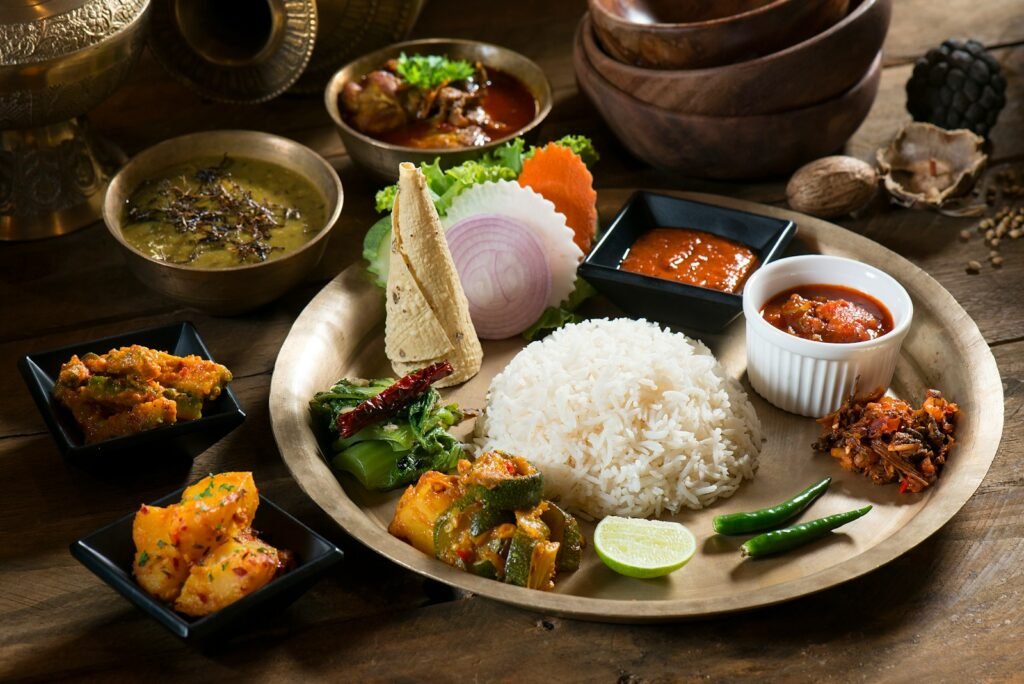
What’s changed more recently is that desi food has broken out of ethnic enclaves entirely. It’s no longer just South Asian families eating at these restaurants and shopping at these stores — desi food has become mainstream in a way that mirrors what happened with Italian, Chinese, and Mexican food decades earlier. Younger generations of South Asian entrepreneurs are also reshaping how this food is presented, blending tradition with modern branding, fast-casual formats, and social-media-friendly presentation.
The United Kingdom: Where Desi Food Runs Deep
If there’s one Western country where desi food isn’t just present but deeply embedded into everyday culture, it’s the UK. Curry, in various forms, is often jokingly (and sometimes seriously) referred to as one of Britain’s national dishes, and the depth of the restaurant scene reflects just how normalized South Asian food has become.
Dishoom is probably the single biggest name to know if you’re new to the UK’s desi food scene. Inspired by the old Irani cafés of Bombay, Dishoom built its identity around an all-day dining concept, serving everything from bacon naan rolls at breakfast to slow-cooked black daal and biryani later in the day. It played a significant role in shifting Western perceptions of Indian food as something reserved for dinner-only curry houses into something you’d casually grab breakfast or brunch at, much like you would at any trendy café.
Veeraswamy, tucked away on Regent Street in London, holds the distinction of being one of the oldest Indian restaurants in the country, having opened back in the 1920s. It has held a Michelin star and represents the more upscale, refined end of the Indian dining spectrum in Britain — proof that desi food abroad spans everything from casual street snacks to white-tablecloth fine dining.
For something more casual and rooted in regional Indian home cooking, Mowgli, founded by chef Nisha Katona, has expanded rapidly across the UK, focusing on Indian street food-style small plates rather than the heavier, cream-laden dishes often associated with older-style curry houses.
If you’re after Pakistani food specifically, areas like Tooting in South London and parts of Birmingham and Bradford have long-standing, deeply authentic Pakistani restaurants known for their nihari, karahi, and grilled meats — the kind of places where the menu hasn’t changed much in decades because it simply doesn’t need to. Long-running spots in these neighborhoods are often community institutions rather than trend-driven restaurants, and locals will usually point newcomers toward them before any big-name chain.
There’s also a growing wave of newer, fast-casual desi-inspired concepts, including chai-focused chains that have expanded rapidly across UK cities, bringing South Asian-style tea culture into a format similar to a coffee shop.
The United States: From Grocery Aisles to Fine Dining
The desi food scene in the United States looks different from the UK’s in one key way: it developed heavily around grocery stores and home cooking before restaurants caught up in scale and visibility.
Patel Brothers is the name almost every South Asian family in America knows. Founded in Chicago in 1974 by brothers Mafat and Tulsi Patel, it has grown into the largest Indian grocery chain in the country, with dozens of locations spread across states with significant South Asian populations, including New Jersey, California, Texas, Illinois, and Massachusetts. Walking into a Patel Brothers store feels less like a specialty grocery run and more like stepping into a full-scale South Asian supermarket, complete with fresh produce specific to Indian cooking, an enormous spice aisle, frozen parathas, fresh sweets counters, and shelves of snacks that instantly transport shoppers back to family visits abroad. Part of what made Patel Brothers so successful is how accessible it made these ingredients not just for South Asian families, but for curious home cooks outside the community as well.
On the restaurant side, cities with large South Asian populations tend to have the most robust and authentic desi food scenes. The New York metro area, particularly neighborhoods in Queens like Jackson Heights, has long been considered one of the best places in the country for South Asian food, with dense concentrations of Indian, Pakistani, and Bangladeshi restaurants, sweet shops, and grocery stores often within walking distance of each other.
The San Francisco Bay Area, home to a massive South Asian tech workforce, has seen an explosion of both traditional and modern desi restaurant concepts over the past decade, ranging from casual dosa spots to more elevated, chef-driven Indian restaurants blending regional Indian cooking techniques with fine-dining presentation.
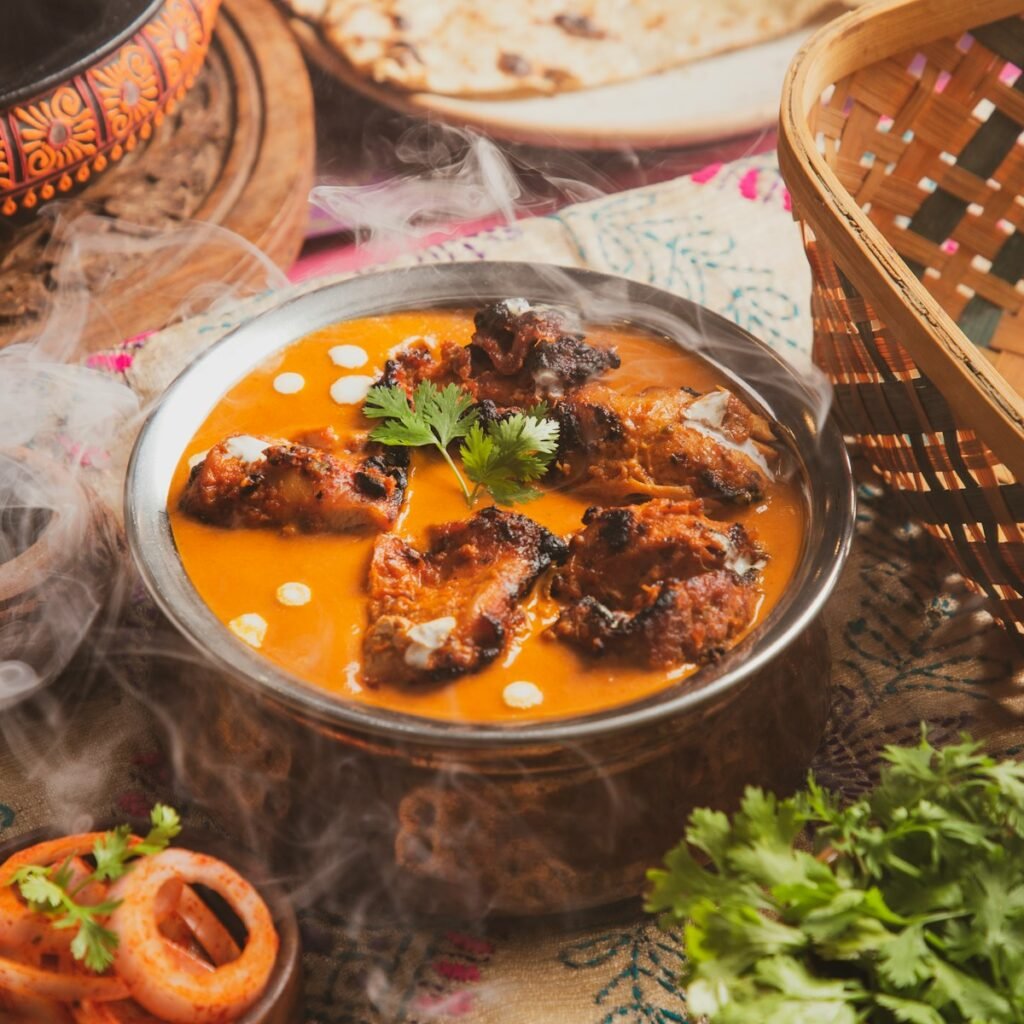
Chicago’s Devon Avenue remains one of the most historically significant South Asian commercial corridors in the country, often credited as the birthplace of the modern Indian-American grocery and restaurant scene, and it’s still packed with sari shops, sweet counters, and restaurants representing multiple regional South Asian cuisines side by side.
Texas cities like Houston and Dallas, both home to large and growing South Asian populations, have also developed strong desi food scenes in recent years, with everything from casual biryani spots to full-service Pakistani and Bangladeshi restaurants opening in suburban strip malls that, once you step inside, feel like a slice of Lahore or Dhaka.
Canada: A Growing and Diverse Desi Food Landscape
Canada, and particularly the Greater Toronto Area, has one of the fastest-growing and most diverse desi food scenes in North America. Neighborhoods and suburbs like Mississauga, Brampton, and parts of Toronto itself have become hubs for South Asian communities, and the food scene reflects that density.
Restaurants specializing specifically in Pakistani cuisine have flourished in the GTA, often specializing in dishes that are harder to find elsewhere, like nihari, paya, and Lahore-style karahi. Weekend brunch culture built around halwa puri and nihari has become a genuine tradition in several of these restaurants, essentially recreating a full Pakistani breakfast spread that families would traditionally prepare at home for special occasions.
Beyond Toronto, Vancouver has its own well-established South Asian food scene, shaped heavily by its large Punjabi community, with strong representation of North Indian and Sikh cuisine, including langar-style community kitchens and restaurants specializing in tandoori dishes and rich Punjabi curries.
Calgary and other Western Canadian cities have also seen a steady rise in desi restaurants over the past several years, ranging from casual counter-service biryani spots to more design-forward restaurants blending traditional South Asian dishes with contemporary dining room aesthetics.
Australia: A Newer but Rapidly Expanding Scene
Compared to the UK, US, and Canada, Australia’s desi food scene is younger but has grown remarkably quickly, driven largely by significant South Asian student and skilled-migration populations settling in cities like Melbourne, Sydney, and Perth.
Melbourne in particular has developed a reputation for having some of the best and most diverse South Asian food in the country, with strong representation not just of North Indian cuisine, but also South Indian, Sri Lankan, and Nepali food — a reflection of just how broad the “desi” umbrella really is. Areas with dense South Asian student populations near universities often have some of the most affordable and authentic options, since these restaurants are cooking for homesick students rather than tourists.
What Kind of Desi Food You’ll Find Abroad
One of the most important things to understand about desi food in Western countries is that “desi food” isn’t one single cuisine — it’s an enormous, regionally diverse category, and the best cities abroad tend to reflect that diversity rather than flattening it into a single generic “Indian restaurant” experience.
North Indian and Punjabi food is by far the most commonly represented style abroad, largely because early waves of migration to the UK, Canada, and parts of the US were heavily Punjabi. This is the food most Westerners picture when they think of “Indian food” — butter chicken, tandoori dishes, rich gravies, and naan.
South Indian food, including dosas, idlis, and sambar, has a strong and growing presence in cities with significant Tamil, Telugu, and Kannada populations, and tends to be concentrated in specific neighborhoods rather than spread evenly across a city.
Pakistani food, distinct in its own right despite overlaps with North Indian cuisine, tends to be found in strong concentrations in specific cities like Toronto, parts of London, Chicago, and Houston, often specializing in nihari, karahi, biryani, and grilled meats like seekh kebabs and boti.
Bangladeshi food, historically underrepresented compared to Indian and Pakistani cuisine in Western restaurant scenes, has a particularly strong and long-established presence in the UK, where the majority of what were historically labeled “Indian restaurants” on British high streets were, in fact, run by Bangladeshi families.
Sri Lankan and Nepali food, while smaller in overall footprint compared to Indian and Pakistani cuisine, have carved out dedicated followings in cities like London and Melbourne, offering dishes that differ meaningfully from their more commonly known South Asian neighbors, like Sri Lankan hoppers or Nepali momos.
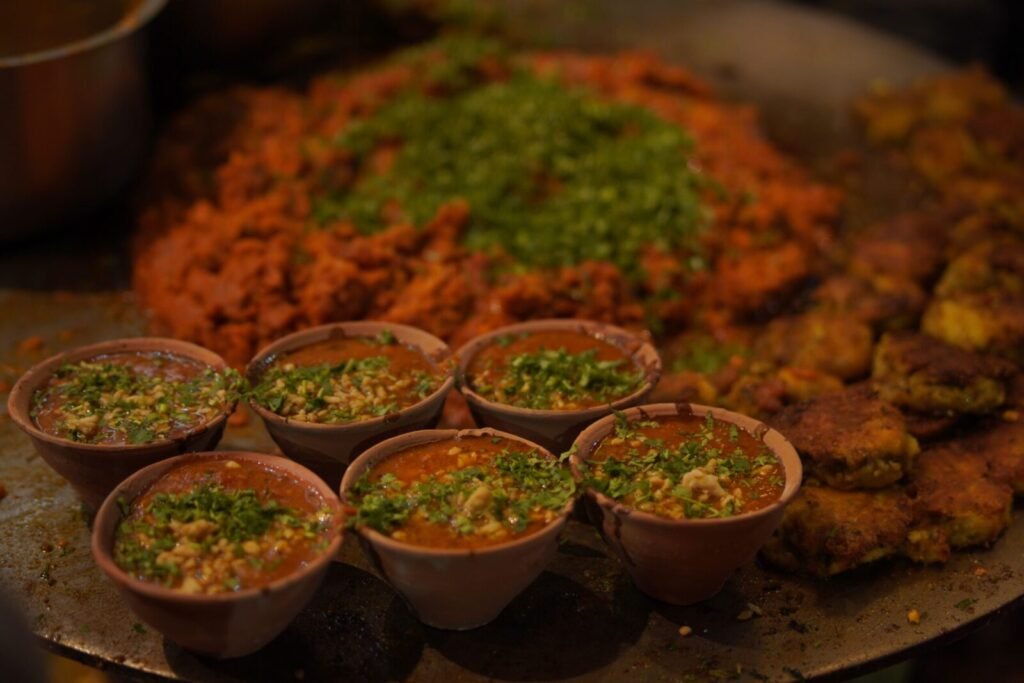
How to Actually Find the Good Stuff
Given how much desi food exists across Western countries now, the challenge often isn’t finding a restaurant — it’s finding a genuinely good one instead of a generic version aimed purely at tourists or unfamiliar diners. A few practical tips:
- Look for restaurants clustered together in a specific neighborhood. Desi restaurants tend to concentrate in specific areas rather than spreading evenly across a city, and these clusters are usually there because there’s a real community supporting them, not just tourist foot traffic.
- Check for a menu specializing in a specific regional cuisine rather than a huge generic menu. A restaurant that focuses tightly on Pakistani karahi dishes or South Indian breakfast items is often more reliable than one offering an enormous menu spanning the entire subcontinent.
- Pay attention to what the local South Asian community actually recommends, rather than relying purely on generic review platforms. Community-specific recommendations, whether from friends, local Facebook groups, or South Asian food bloggers, often point toward smaller, unassuming spots that don’t necessarily have flashy branding but consistently deliver.
- Visit desi grocery stores, even if you’re not planning to cook. Stores like Patel Brothers in the US often have small prepared-food counters or attached sweet shops, giving you a quick, authentic taste without committing to a full restaurant visit.
- Don’t judge a restaurant by its interior alone. Some of the most authentic desi restaurants abroad operate out of unassuming strip malls or modest storefronts, prioritizing the kitchen over the décor budget.
The Rise of Desi Fast-Casual and Modern Concepts
One of the more interesting recent shifts in the desi food scene abroad has been the rise of fast-casual and modernized concepts aimed at a broader, younger audience. Chai-focused chains have expanded rapidly in the UK, essentially applying a coffee-shop format to South Asian tea culture. Similarly, biryani-focused fast-casual concepts have started popping up in cities across North America, offering customizable bowls in a format similar to how build-your-own burrito chains operate, making the food more approachable for people unfamiliar with a full sit-down desi dining experience.
This shift matters because it’s expanding who eats desi food regularly, not just how it’s served. A younger, non-South Asian audience that might have felt intimidated walking into a traditional, family-run curry house is often far more comfortable ordering a customizable biryani bowl or grabbing a chai latte from a modern-looking counter-service shop.
Desi Grocery Stores: An Overlooked Resource
For anyone serious about experiencing authentic desi food abroad, grocery stores deserve just as much attention as restaurants. Beyond Patel Brothers in the US, most major Western cities with sizable South Asian populations have their own regional desi grocery chains and independent stores stocking everything from fresh paneer and frozen parathas to an overwhelming variety of spices, pickles, and snacks.
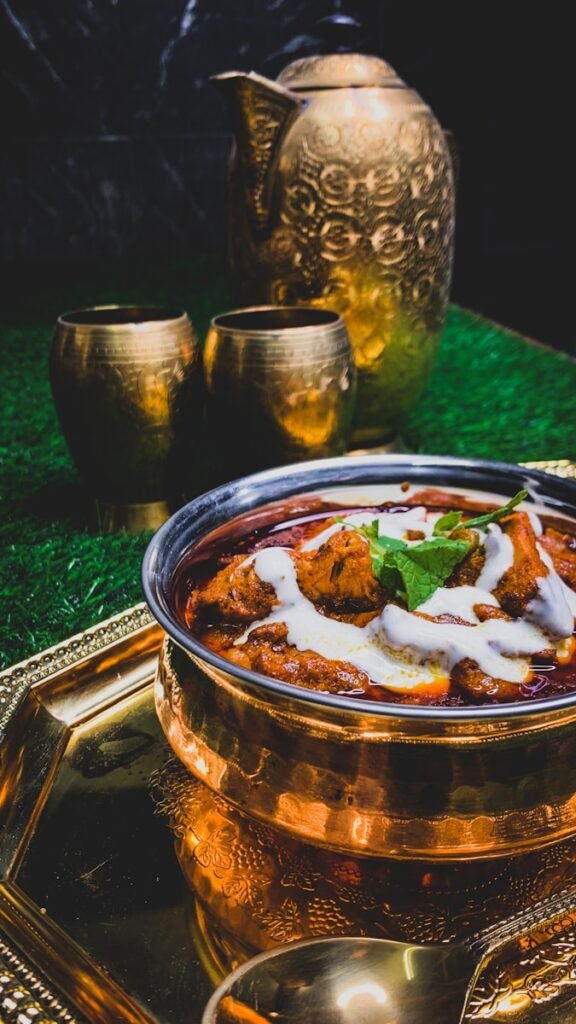
These stores matter for a few reasons. First, they’re often where the freshest and most specific ingredients live — things a general supermarket simply won’t carry, like specific varieties of lentils, fresh curry leaves, or regional spice blends. Second, many of these stores double as informal community hubs, often with bulletin boards advertising local events, tutoring services, or even informal food delivery services run out of someone’s home kitchen. Third, and perhaps most usefully for newcomers to desi food, many of these stores have small prepared-food sections or attached sweet counters, letting you sample authentic items like samosas, jalebi, or fresh paneer sweets without needing to commit to a full restaurant meal.
Beyond the Big Four: Desi Food in Continental Europe
While the UK, US, Canada, and Australia tend to dominate conversations about desi food abroad, continental Europe has its own quietly growing scene worth mentioning. The Netherlands, home to a significant Surinamese population with deep South Asian roots dating back to indentured labor migration in the 19th and early 20th centuries, has a distinct Indo-Surinamese food culture that blends South Asian cooking techniques with Caribbean and Dutch influences. Roti shops in cities like Amsterdam and The Hague serve a version of South Asian food that’s been shaped by an entirely different migration story than the one that brought curry houses to Britain.
Germany, particularly cities like Berlin and Frankfurt, has seen a steady increase in Indian and Pakistani restaurants over the past decade, driven largely by skilled migration in the tech and engineering sectors. These restaurants tend to be smaller and less flashy than their UK or North American counterparts, often run by first-generation immigrants cooking food close to what they grew up with, without much adaptation for a broader European palate.
Even in cities without long-established South Asian communities, it’s increasingly common to find at least one or two solid desi restaurants, often opened by families who arrived more recently and built a loyal following simply by staying true to home-style cooking rather than chasing trends.
The Role of Diaspora Media and Social Platforms
It’s worth pausing on just how much the discovery process for desi food abroad has changed in the last several years. A decade ago, finding a great desi restaurant in an unfamiliar city usually meant asking around within the local South Asian community or relying on word of mouth passed between families. Today, platforms like TikTok, Instagram, and YouTube have become major discovery tools, with food creators specifically documenting desi restaurants, grocery store hauls, and home-cooking recipes for audiences both inside and outside the South Asian diaspora.
This shift has had a few notable effects. First, it’s dramatically shortened the time it takes for a great new restaurant to build a following, since a single viral video showcasing a specific dish, like a particular restaurant’s chicken boneless handi or a bakery’s fresh jalebi, can send a wave of new customers through the door within days. Second, it’s helped smaller, independent restaurants compete more effectively with bigger, more established names, since social platforms tend to reward authenticity and distinctiveness over marketing budgets. Third, it’s introduced desi food to a much wider non-South Asian audience who might never have stepped into a curry house otherwise, simply because they saw a satisfying video of naan being pulled fresh from a tandoor or biryani being layered in a handi.
For anyone trying to find great desi food in an unfamiliar Western city today, a quick search on these platforms, combined with the city’s name, often surfaces exactly the kind of specific, community-recommended spots that wouldn’t necessarily top a generic review site’s rankings.
A Closer Look at Signature Dishes You’ll Find Abroad
Part of what makes exploring desi food in the West so rewarding is discovering just how many distinct dishes exist beyond the handful that became early Western favorites. A few worth specifically seeking out:
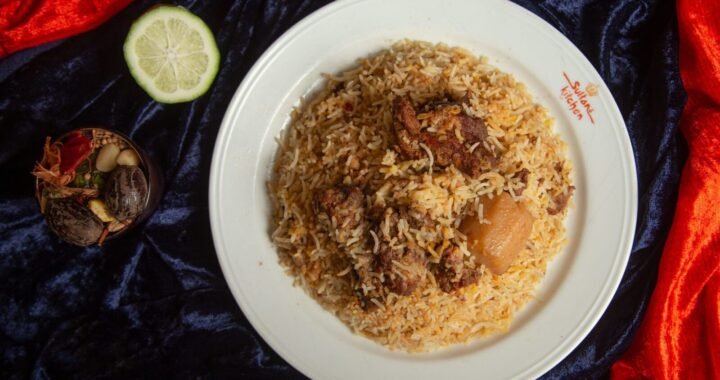
Biryani might be the single most widely available desi dish abroad at this point, but the sheer variation between styles is worth understanding. Hyderabadi biryani, Sindhi biryani, Lucknowi biryani, and Karachi-style biryani all differ significantly in spice level, cooking method, and the balance of meat to rice, so it’s worth trying a few different styles rather than assuming one restaurant’s biryani represents the dish as a whole.
Nihari, a slow-cooked meat stew traditionally eaten for breakfast in Pakistan, has become something of a weekend ritual dish at many Pakistani restaurants abroad, often only available on weekend mornings to mirror how it’s traditionally eaten back home.
Dosas and idlis, staples of South Indian cuisine, have developed a strong following abroad thanks to their naturally gluten-free, fermented preparation, appealing to health-conscious diners in addition to those seeking authentic South Indian flavors.
Momos, Nepali and Tibetan dumplings, have quietly become one of the most popular desi-adjacent street foods in cities with growing Nepali communities, often served with a fiery, tomato-based achar sauce that’s become a draw in its own right.
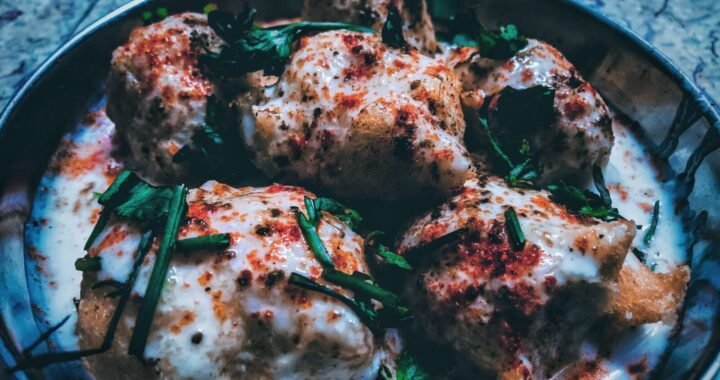
Chaat, the umbrella term for India’s savory street snacks like pani puri, bhel puri, and papdi chaat, has found a strong niche following abroad, particularly at desi grocery stores and casual counter-service spots, offering an entry point into South Asian flavors that’s less intimidating than a full sit-down meal.
Navigating Halal and Dietary Considerations
For many South Asian communities abroad, particularly Pakistani, Bangladeshi, and many Indian Muslim families, halal certification is a major factor in choosing where to eat. Most established Pakistani and Bangladeshi restaurants in Western countries are halal by default, given their customer base, but it’s still worth confirming directly with newer or less clearly labeled establishments, since practices can vary.
On the flip side, vegetarian and vegan diners are often better served by desi cuisine than almost any other global food category, thanks to the deep vegetarian traditions within Hindu, Jain, and many South Indian culinary practices. Cities with strong Gujarati or South Indian communities in particular tend to have excellent, fully vegetarian desi restaurants, some of which have been vegetarian for religious and cultural reasons long before “plant-based” became a broader food trend in the West.
Final Thoughts
Desi food’s journey through Western countries mirrors the story of South Asian migration itself — starting in tight-knit community enclaves, growing through family-run restaurants and grocery stores, and eventually expanding into the broader mainstream food culture of cities across the UK, US, Canada, and Australia. What makes the current moment particularly exciting is the sheer range now available. You can get a Michelin-starred Indian tasting menu in London, a nihari brunch in suburban Toronto, a customizable biryani bowl in an American food hall, or a proper South Indian dosa breakfast in Melbourne, all reflecting genuine regional traditions rather than a single flattened idea of “curry.”
If you’re craving desi food while living abroad, the good news is that you’re rarely far from something authentic — you just have to know where to look, and often, that means following the same neighborhoods and communities that brought this food to Western shores in the first place.