
Few dishes capture the heart of Pakistani and South Asian cuisine quite like karahi. And when it’s made with dumba — the tender, richly flavored meat of a fat-tailed sheep — it becomes something truly special. Dumba karahi is known for its deep, savory taste, the natural richness that comes from the meat’s fat content, and the thick, tomato-based gravy that clings to every bite. It’s a dish you’ll find sizzling in the wok-like karahi pan at roadside dhabas, wedding functions, and family dinners across Pakistan.
In this article, we’ll break down everything you need to make an authentic, restaurant-style dumba karahi at home — from selecting the right cut of meat to achieving that signature glossy, oil-separated gravy that karahi lovers crave.
What Makes Dumba Karahi Different?
Dumba, or fat-tailed sheep meat, is prized in South Asian and Middle Eastern cooking for its distinctive flavor and higher fat content compared to regular mutton or lamb. This extra fat renders down during cooking, infusing the dish with a richness that’s hard to replicate with leaner cuts. It’s also what gives traditional karahi its glossy, oil-slicked finish — a hallmark of a properly cooked karahi.
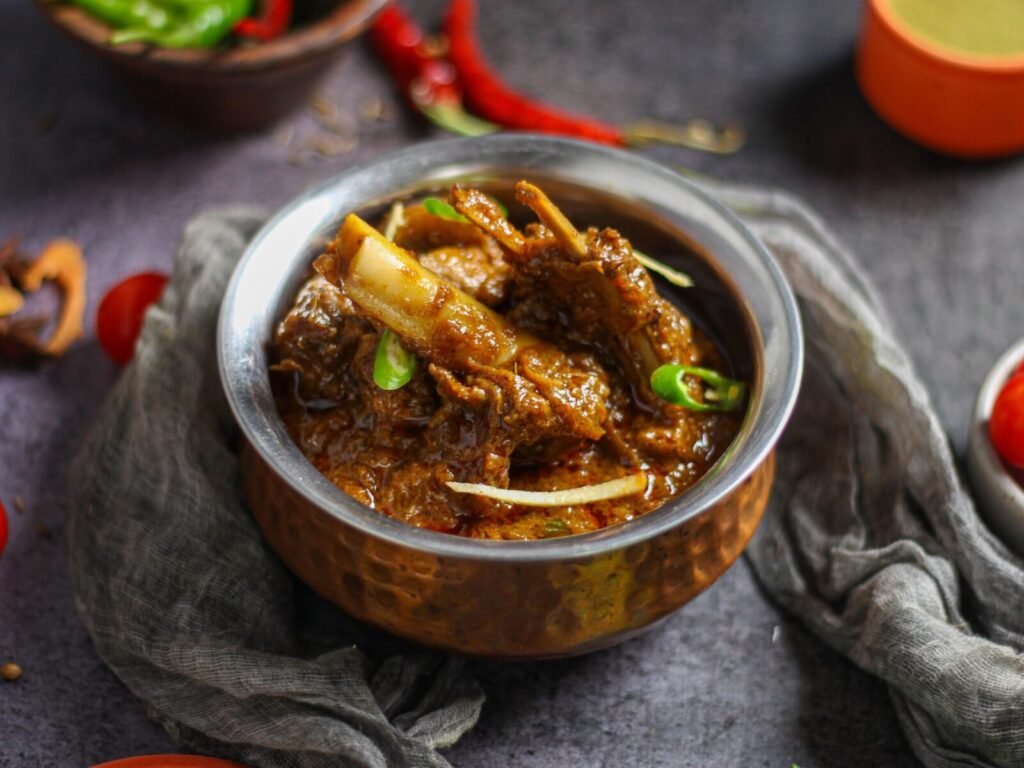
Karahi itself refers to both the dish and the wok-shaped pan it’s traditionally cooked in. The technique is simple but precise: meat is cooked down with tomatoes, ginger, garlic, and a handful of spices until the oil separates from the gravy, concentrating the flavor into something bold and unforgettable.
Ingredients You’ll Need
For the Karahi
- 1 kg dumba meat (bone-in, cut into medium chunks)
- ½ cup dumba fat or cooking oil (traditionally, rendered tail fat is used for authentic flavor)
- 4 medium tomatoes, finely chopped or blended
- 1 tablespoon ginger paste
- 1 tablespoon garlic paste
- 4 to 5 green chilies, slit lengthwise
- 1 teaspoon red chili powder (adjust to taste)
- 1 teaspoon cumin seeds
- 1 teaspoon coriander powder
- ½ teaspoon turmeric powder
- Salt, to taste
- ½ cup plain yogurt (optional, for added richness)
- 1 teaspoon crushed black pepper
- 1 teaspoon garam masala
- Fresh coriander leaves, chopped, for garnish
- Julienned ginger, for garnish
- 2 to 3 green chilies, whole, for garnis
For Serving
- Naan or roti
- Sliced onions and lemon wedges
Step 1: Prepare the Meat
Start with good quality dumba meat, ideally with some bone-in pieces, since bones add flavor and body to the gravy. Wash the meat thoroughly and pat it dry. If you have a piece of dumba fat (the fat from the tail), dice a portion of it finely — this will be rendered down first to build the base flavor of the dish. This step is what truly separates an authentic dumba karahi from a regular meat karahi.
Step 2: Render the Fat
Place a karahi or a heavy-bottomed wok over medium heat. Add the diced dumba fat and let it slowly render down until it releases its oil and turns golden and slightly crisp. This process can take about 8 to 10 minutes. If you don’t have access to dumba fat, you can substitute with regular cooking oil, though the flavor will be slightly less rich.
Once the fat has rendered, remove the crispy bits if you prefer a smoother gravy, or leave them in for extra texture and flavor.
Step 3: Sear the Meat
Add the dumba meat pieces to the hot fat and increase the heat to high. Sear the meat for 5 to 7 minutes, stirring frequently, until it’s browned on all sides. This searing step locks in the juices and builds a flavorful base (called bhunai in Urdu) that forms the backbone of the karahi’s taste.
Add the cumin seeds at this stage as well, letting them sizzle in the hot oil to release their aroma.
Step 4: Add Ginger, Garlic, and Spices
Reduce the heat to medium and add the ginger paste and garlic paste. Cook for 2 to 3 minutes, stirring constantly to prevent burning. Add the turmeric powder, red chili powder, and coriander powder, and mix well so the meat is evenly coated in the spice blend.
Step 5: Add Tomatoes and Cook Down
Add the chopped or blended tomatoes to the karahi along with the salt. Stir everything together, then cover and let it cook on medium-low heat. This is the most important stage of the entire dish — the meat needs to simmer slowly with the tomatoes until it becomes tender and the oil begins to separate from the gravy.
Depending on the cut and age of the meat, this can take anywhere from 45 minutes to over an hour. Check periodically and add small splashes of water if the mixture starts sticking to the bottom of the pan, but avoid adding too much liquid — dumba karahi should have a thick, concentrated gravy, not a watery one.
Step 6: Check for Tenderness
Once the meat is fork-tender and the tomatoes have broken down into a thick paste, it’s time to check for the classic karahi sign: the oil should visibly separate and pool around the edges of the gravy. This is a strong indicator that the dish is nearly done and that the flavors have fully developed.
If you’re using yogurt, this is the point to stir it in. Add it slowly, stirring continuously to prevent curdling, and let it cook into the gravy for another 5 minutes.
Step 7: Add Green Chilies and Finish the Gravy
Add the slit green chilies and crushed black pepper. Give everything a good stir and let it simmer uncovered for another 5 to 10 minutes to thicken the gravy further and allow the chilies to infuse their heat into the dish. Taste and adjust salt and spice levels as needed.
Step 8: Garnish and Serve
Sprinkle garam masala over the karahi and give it one final stir. Turn off the heat and garnish generously with freshly chopped coriander leaves, julienned ginger, and a few whole green chilies for presentation and an extra kick of heat.
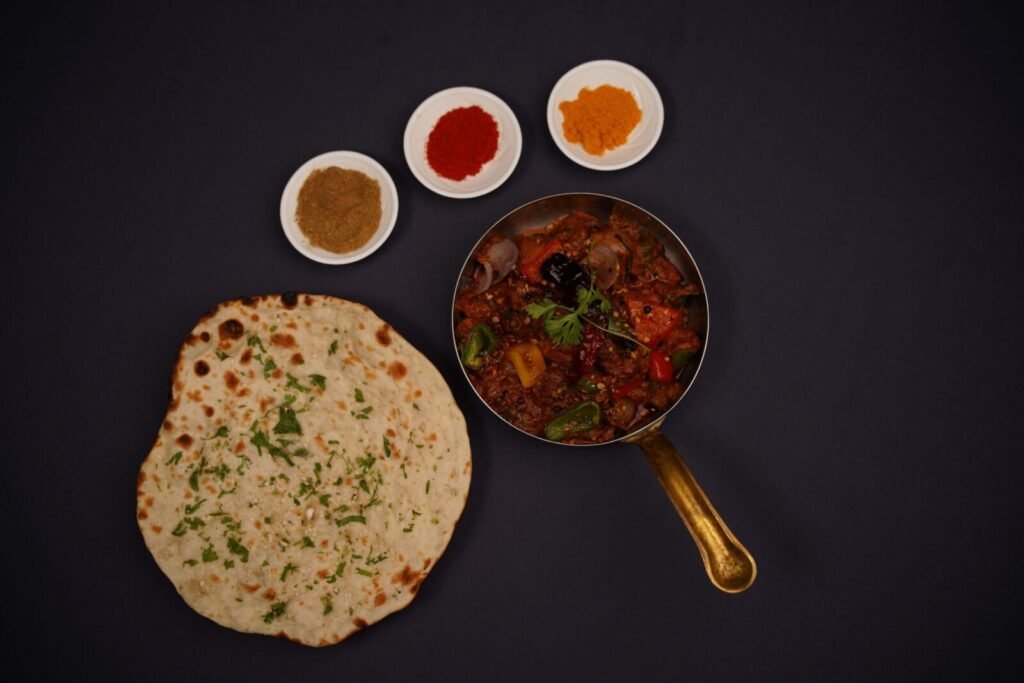
Dumba karahi is best served hot, straight from the pan, with fresh naan or roti to scoop up the rich gravy. A side of sliced onions and lemon wedges adds a refreshing contrast to the dish’s richness.
Tips for the Perfect Dumba Karahi
- Use bone-in meat. The bones contribute to a deeper, more complex flavor in the gravy.
- Don’t rush the bhunai stage. Properly browning the meat and cooking down the tomatoes is what builds the dish’s signature depth of flavor.
- Balance the fat. While dumba’s natural fat is part of what makes this dish special, you can adjust the amount of added oil based on how rich you want the final result to be.
- Watch the water. Karahi should never be soupy. If you need to add liquid, do so sparingly and let it cook back down.
- Fresh spices make a difference. Whole cumin seeds and freshly ground spices will give a noticeably better result than pre-ground, older spice blends.
Common Variations to Try
Once you’ve nailed the basic technique, there are a few popular twists on dumba karahi worth exploring:
- White karahi: Skip the tomatoes and red chili powder entirely, relying instead on yogurt, green chilies, and black pepper for a milder, creamier version.
- Peshawari-style karahi: Use minimal spices — often just salt, tomatoes, and green chilies — to let the natural flavor of the dumba meat shine through.
- Karahi with green masala: Blend fresh coriander, mint, and green chilies into a paste and stir it in toward the end for a herby, vibrant finish.
- Extra spicy karahi: Increase the number of whole and powdered chilies for those who love serious heat alongside the richness of the dumba fat.
Final Thoughts
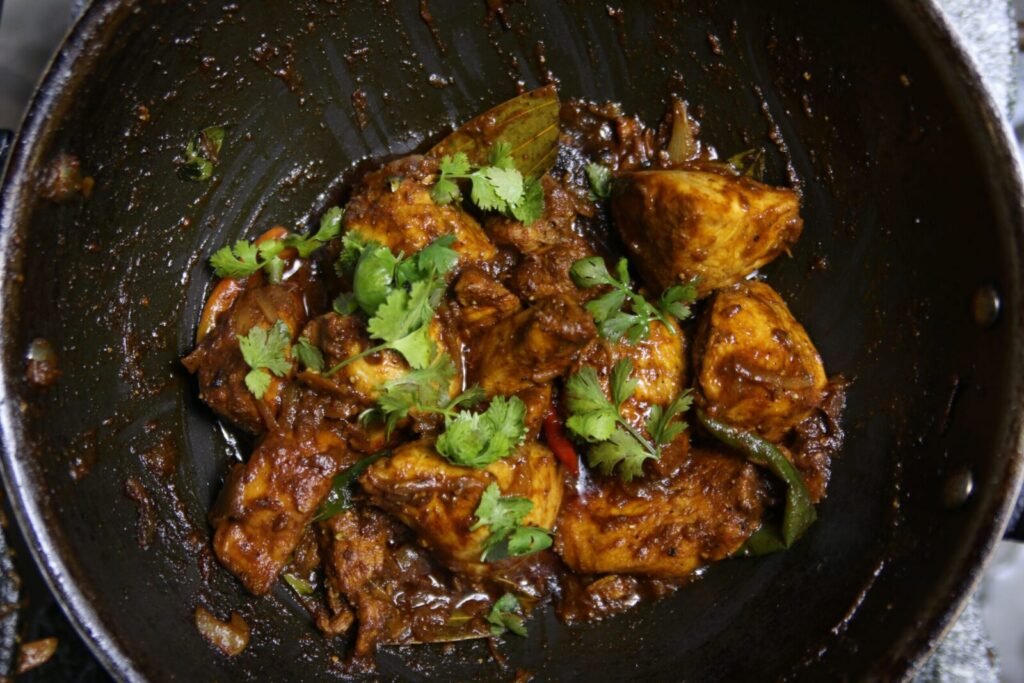
Dumba karahi is a dish that rewards patience and technique. The slow rendering of fat, the careful browning of the meat, and the unhurried simmering with tomatoes all come together to create a gravy that’s rich, glossy, and deeply satisfying. Whether you’re recreating a favorite restaurant dish at home or introducing someone to this classic for the first time, a well-made dumba karahi is guaranteed to impress. Serve it hot with warm naan, and you’ve got a meal that captures the true essence of traditional karahi cooking.